Q"Varskrik" was recorded between 2014 and 2017 — three years of work on a debut. What took that long, and looking at the finished record now, do you feel that time is audible in the music?
AThe songs were written from 2008-2012, but it was just a side project as we were focusing on other bands at the time (ISKALD/SKAUR and a few others). In 2014 we decided to make this a little more than just a side project so we started the recording of the album. The recordings were done at different locations, and that made the progress a little slow, but I think we did pretty much everything in 2014. Then adjustments had to be made and this also took quite some time, as this became very unstructured work, and as we all were busy with work, family and life in general it actually took a couple of years until we could finally say it was finished. I had a clear vision when we started recording the album, and I didn't finish it until the result was as I wanted it, so I don't think the extra time is very audible for the listeners, no.
QThe album was released digitally in 2017 and then sat without a physical release until PETRICHOR put it out in 2021. Four years is a long time for a record to exist only in digital form. What did it mean to finally have it on CD and vinyl?
AYeah, the album was available digitally through Spotify for a period of time, as well as YouTube and maybe a few other services, but when we released it on Bandcamp, it took like actually 20 minutes, then we were contacted by Rick Verbeek at PETRICHOR, as he discovered us there, at Bandcamp. He was so passionate and really wanted to help us to release this in physical format, so that felt really good! I have always felt that an album isn't complete until you can actually hold it in your hands, so that meant so much!
QCLEMENS WIJERS of CARACH ANGREN contributed keyboards and arrangements to the record. How did that collaboration come about, and what did his involvement change about the sound you originally had in mind?
AI had written and arranged all the orchestral parts, but I felt it sounded too artificial as I didn't have the experience or any good software to make it sound authentic, so I contacted CLEMENS in 2014 as I truly admire his work in CARACH ANGREN. I asked him to rearrange or just rerecord the parts, so I sent him all my midi files, and just told him to make the best out of it. He did an absolutely amazing job, and made everything sound as I had envisioned it. I learned very much from the process as well, listening to all the elegant details he added to the arrangements, and it helped me evolve as well, which I think will be audible for our upcoming release.
QAll the lyrics are in Norwegian and the album title means Warning Cry. The themes — Karsten og Draugen, Deildegasten, the utbyrd itself — draw from Norwegian folklore and mythology. Is that a deliberate choice to stay rooted in the specific place the band comes from, or does it come more naturally than that?
AFirstly, "Varskrik" means "warning cry", which due to folklore is a scream that can be heard from the woods when something really bad is going to happen. It's a bit of a coincidence as well as not. Back in 2008 when I started writing the songs, it was an urge to write something else than ISKALD or any of my other bands, as I wanted to use symphonic elements and more heavy guitar riffs made for 7-stringed guitars. I named this band UTBYRD (just as a temporary name) and when speaking to a friend of mine, she had written a lot of lyrics she wanted me to have a look at. The titles were "Deildegasten", "Dauing" and actually "Utburd". So it was the exact lyrical theme I had in mind when writing the music (as stated with the temporary band name). Norwegian folklore and mythology is so fascinating and eerie, and is almost an endless source of inspiration. 4 of the songs were already done when I received the lyrics, but the songs "Blikkstille Vann", "Utburd" and "Skogen" were composed to fit the lyrics in the best possible way.
QBodø sits just inside the Arctic Circle. How much does that geography — the darkness, the isolation, the specific Norwegian north — actually feed into what UTBYRD sounds like? Is it something you think about consciously, or is it just there?
AWe have all been living here all our lives, so for us it's natural. But of course, when thinking about it, it obviously does something to our mindset living in coldness and darkness 7-8 months a year. But on the other hand, we have midnight sun in the summer which gives us nonstop daylight for a couple of months, so I guess it's a natural balance there that keeps us going!
QSKARV also plays in ISKALD and GRAVSANG. NOHR is in FORHATT, GRAVSANG, and SKAUR. UTBYRD shares people with most of the active underground in the region. How does the band stay its own thing when so many of you are working in multiple projects simultaneously?
AYeah, we are like 7 musicians playing in a total of 5-7 active bands, but we compose music for different bands, I'm composing music for ISKALD and UTBYRD, NOHR for SKAUR and FORHATT, and SKARV for GRAVSANG. I can only speak for myself, but ISKALD and UTBYRD sound so different because of the elements in the music, and I'm very much a different composer than both NOHR and SKARV, so it's not any effort for us to make each band sound unique.
QThe record sits in a specific space within symphonic black metal — it draws from the second wave but pushes toward something more progressive and compositionally complex than most bands in that style manage. What were you actually listening to when you were writing this, and what were you deliberately trying to avoid?
AIn the early 2000's I listened a lot to bands like DIMMU BORGIR, CRADLE OF FILTH, bands with symphonic elements, which also made me listen to classical music. But I won't say those bands inspired UTBYRD in any way, other than making me interested in the genre. I wanted to make more rhythmic and heavier riffs with 7-string guitars, than I did in ISKALD. But the approach was to make the classical elements after the songs were done, so it's more riff-based than orchestral-based. I didn't really try to avoid anything, or sound like anything in particular.
QSeven tracks, forty-seven minutes, all the lyrics in your own language, no concessions to accessibility. In 2017, when most underground bands were releasing shorter and more immediate records, what drove the decision to make something this expansive?
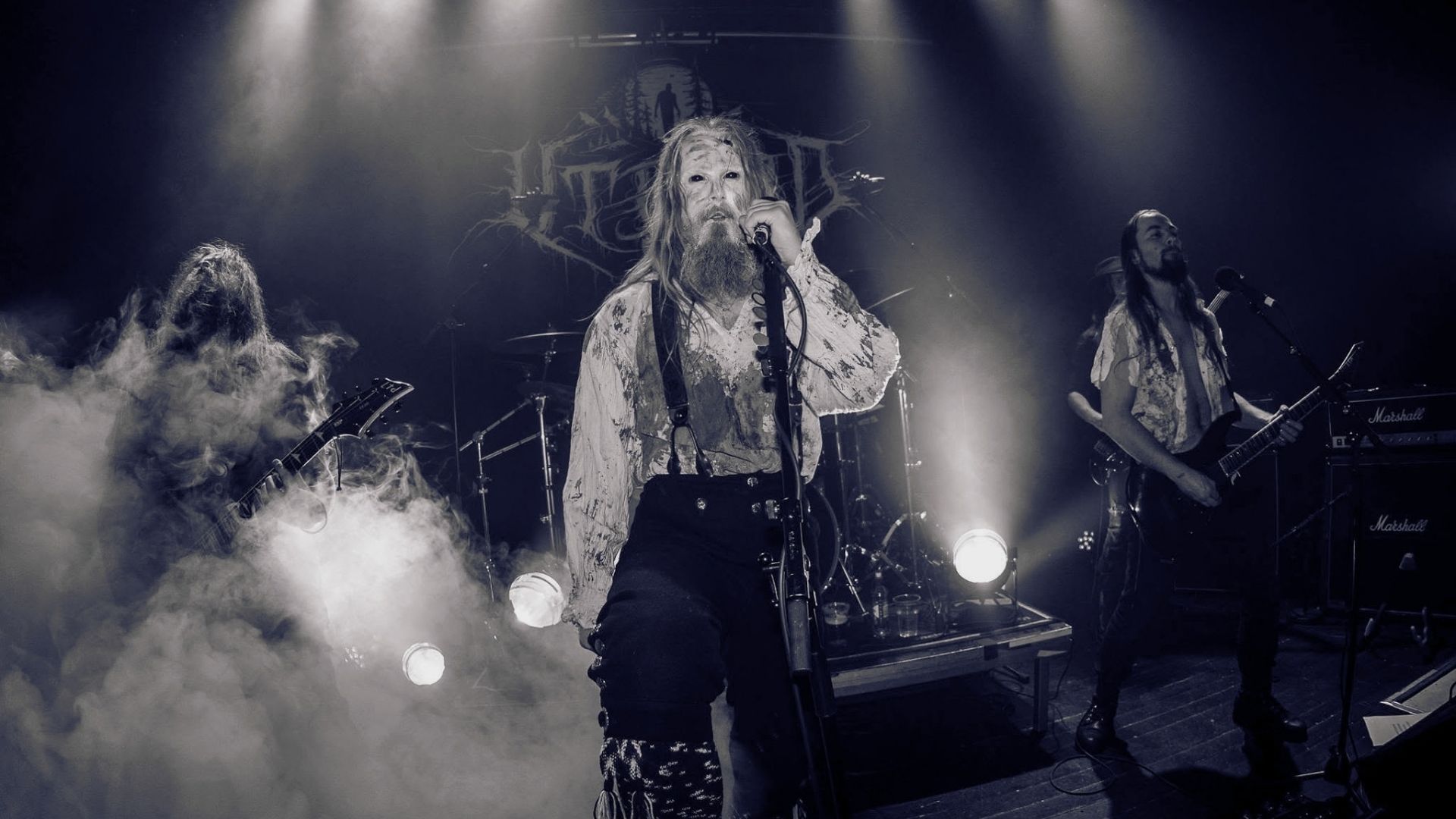
AI wrote the songs in between making ISKALD albums, so the album just consists of the songs I made in the period 2008-2012. It was never thought of in any album perspective at first so to say, and the music was only meant for my own ears in the beginning. But at one point at a rehearsal with SKAUR and ISKALD, I asked if they wanted to make UTBYRD a band. We played these songs at a few local shows, and this worked so well that we decided to make it a little more serious, so in 2014 we decided to record the songs, and as we progressed we realised this could become something really unique that we could be really proud of.
QThe band has been quiet since the physical release in 2021. Is UTBYRD still active, and if so, is there new material in progress?
AI don't think we have played a gig since we released the album, which is a shame, as we did several before the release. But yeah, UTBYRD is still active and we have been working on new material since 2015. We are finishing up the final song these days so we will start recording the album this year. This will be a much more refined and raw sounding album, as the songwriting has been much more focused and targeted, and the preproduction sounds absolutely amazing so far. Unfortunately PETRICHOR is no more, so at the moment we don't have any label to release this for us, which makes this a process we'll have to start at some point soon.
Q"Varskrik" ended up reaching people through the PETRICHOR reissue in a way the 2017 digital release never did. When a record finally finds its audience four years late, does that change how you feel about it?
AI'm still really proud of "Varskrik", and I think it holds up really well. I think even today it's a production that sounds really good, but I feel that the quality of the material is a bit too varied and at certain points a little too naive. That's what we have been working very hard on for this next one, every song is maximizing its potential and the variety of atmosphere is wider, and I really can't wait to get it released for people to hear!
---
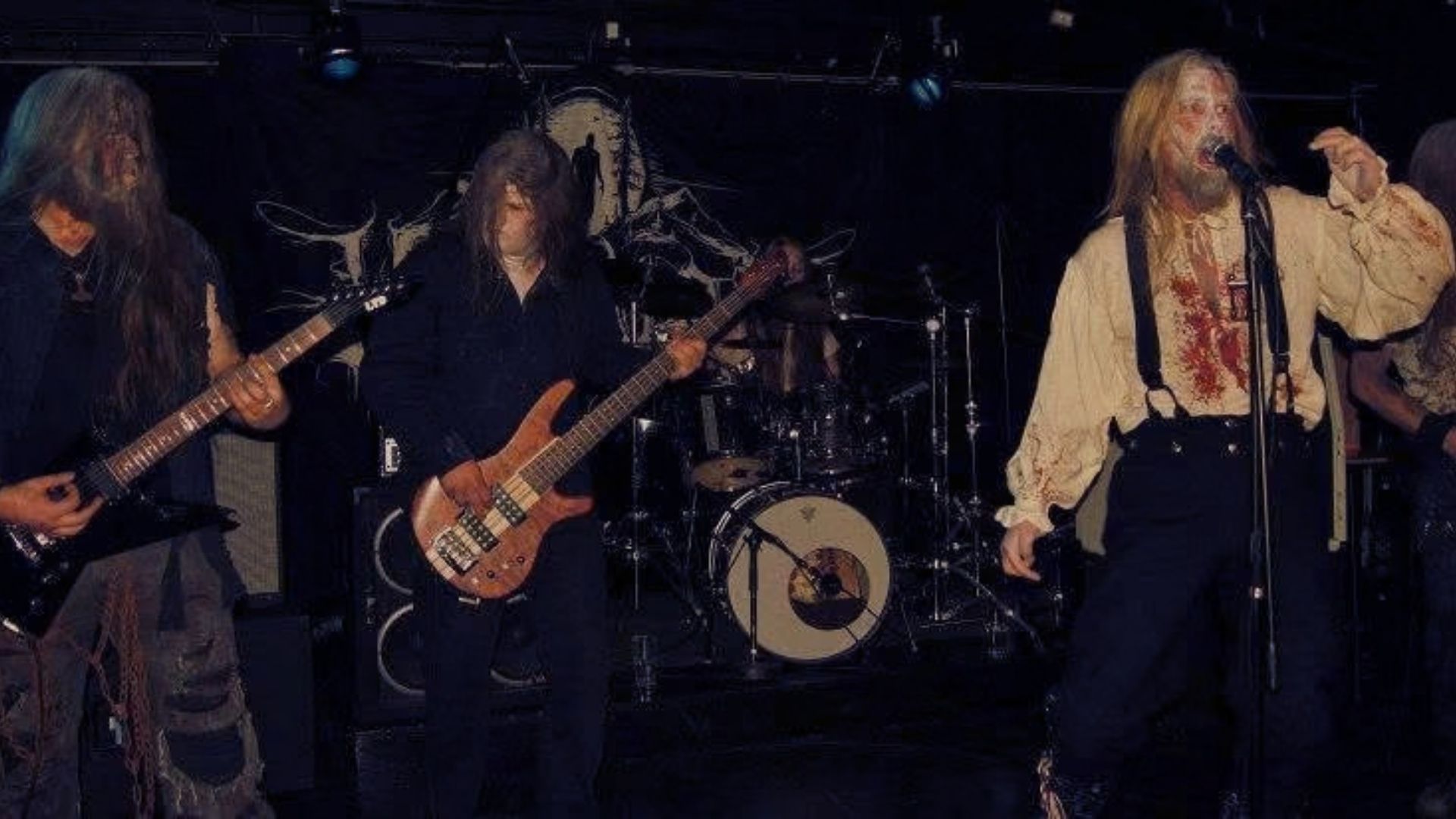
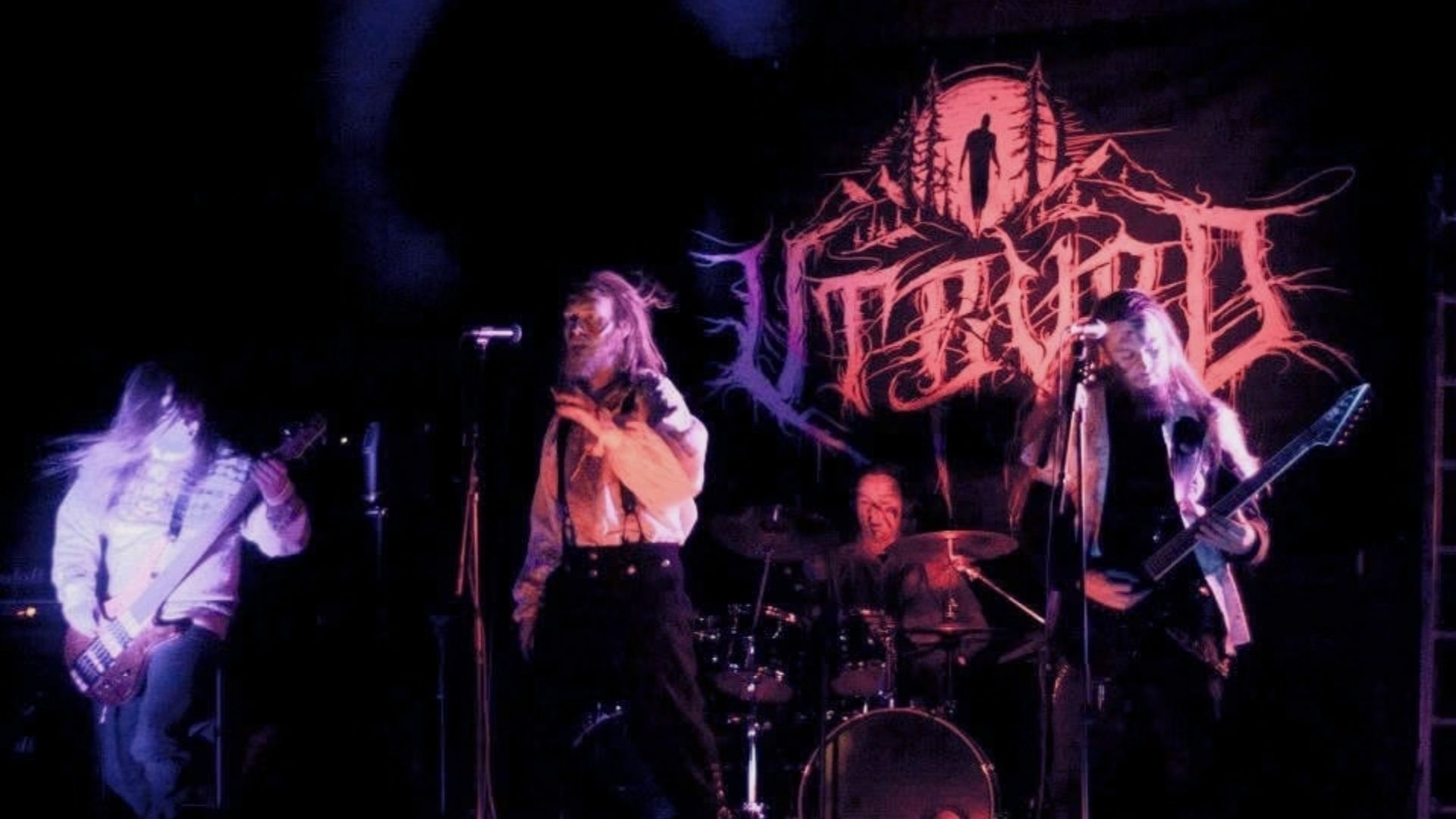
Lineup:
GAST — Bass
TYKJE — Drums
GJENGANGER — Guitars
SKARV — Guitars (see also: GRAVSANG, ISKALD, ex-TROLLBRÖZHT)
NOHR — Vocals (see also: FORHATT, GRAVSANG, SKAUR, ex-SLAGBJØRN)
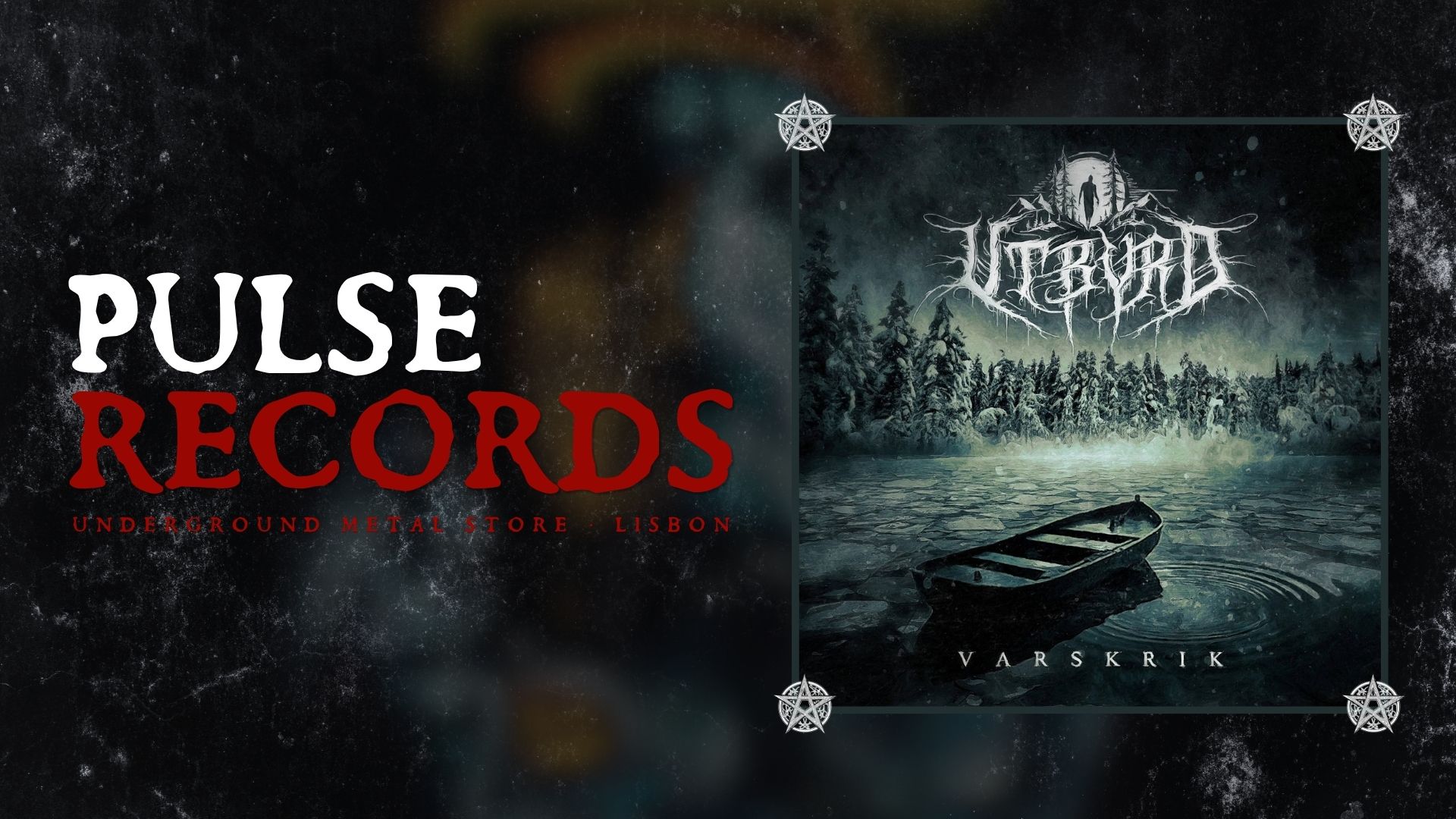
"Varskrik" is now sold — the copy that passed through Pulse Records: [https://pulserecords.replit.app/records/5767](https://pulserecords.replit.app/records/5767)