[video:https://youtu.be/LBIFlz__1EY?si=GWooBFiSpOVqIsmn]
---
### A Teenager in Florida and a Handful of Tapes
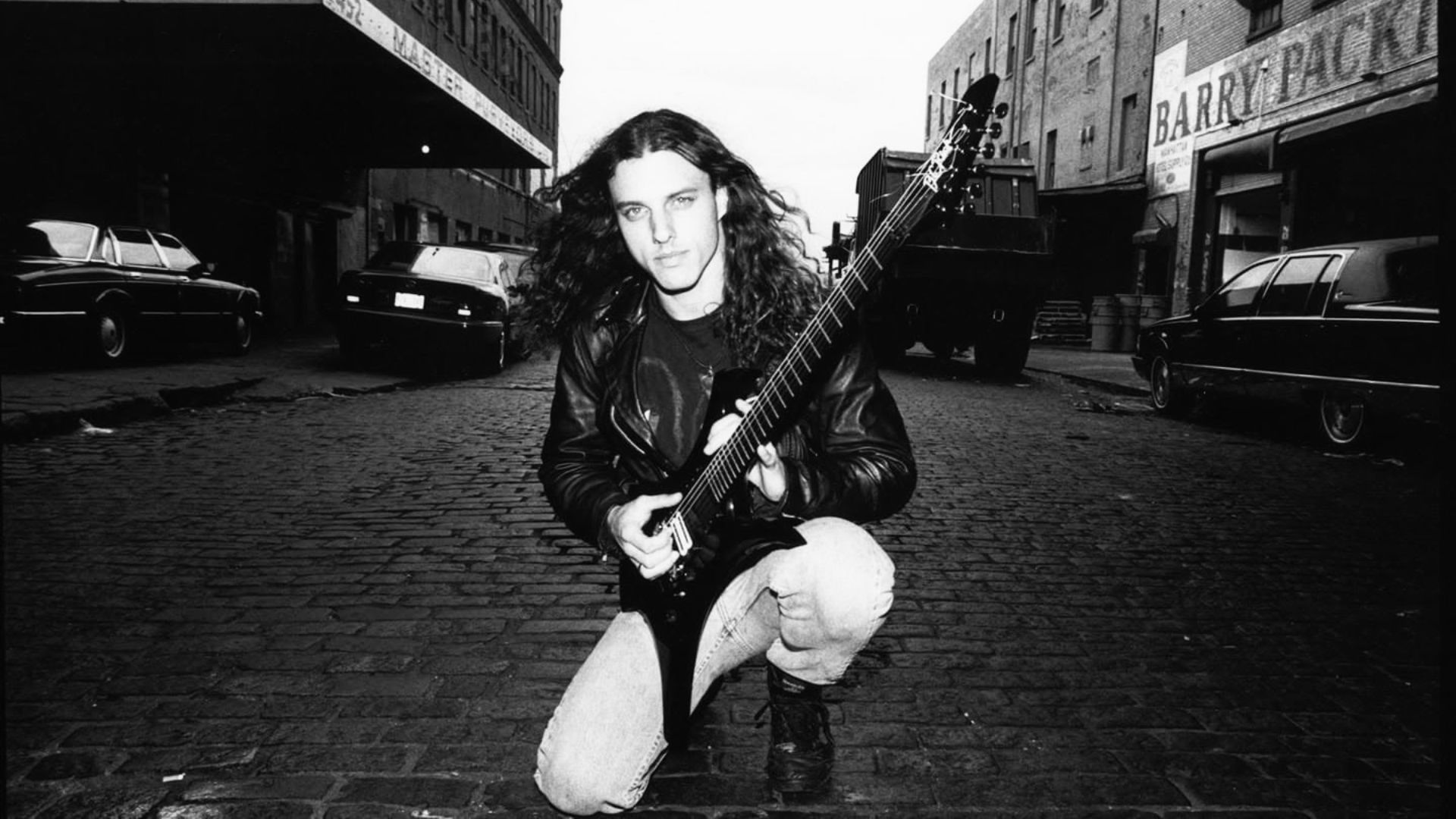
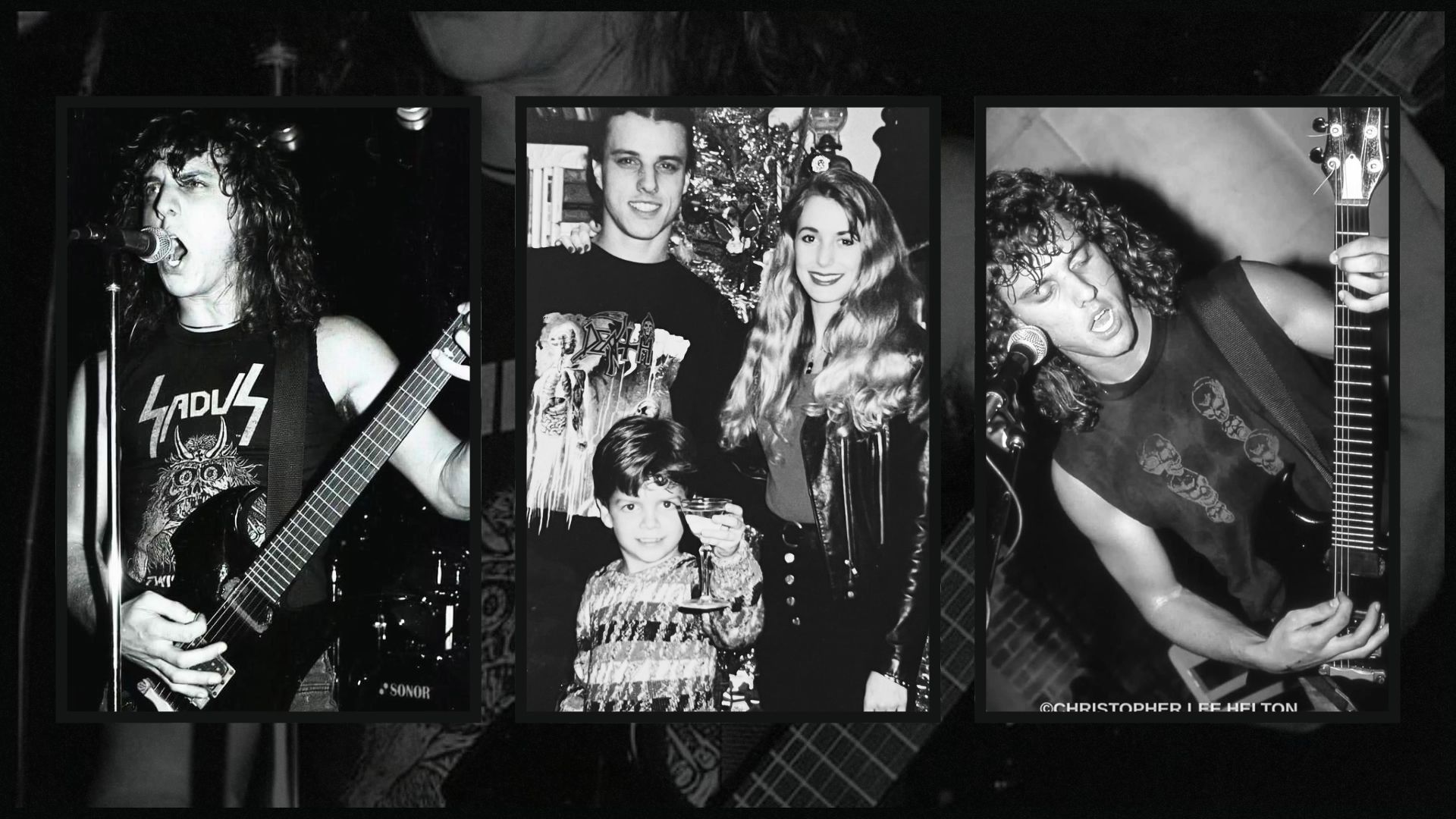
Chuck Schuldiner was born on 13 May 1967 on Long Island, in New York, and grew up in Altamonte Springs, Florida, where the family moved in 1968. His mother, Jane, has said he took a few classical guitar lessons and lost patience with them, and that the electric guitar that changed things was bought at a yard sale after the death of his brother Frank, and that she believes the loss shaped his lyrics for the rest of his life. He listened to KISS, IRON MAIDEN and VENOM, then to the early thrash bands: METALLICA, POSSESSED, SLAYER.
In 1983, at sixteen, he put together MANTAS with Rick Rozz on guitar and Kam Lee, fifteen at the time, on drums and vocals. By the end of 1984 they had rehearsal tapes, a live tape and a demo called "Death by Metal", and then the band came apart and Chuck kept the name that had come from it: DEATH. It was essentially his project from that point. "Reign of Terror" in 1984, "Infernal Death" in 1985, "Back from the Dead" the same year. Rick Rozz told Louder, years later, "There was no death metal scene in Florida at all", and the early interviews with Chuck say much the same thing in his own way. He found it, in his words to Metal Forces, "impossible to find anybody who was into playing brutal death metal."
That wasn't a figure of speech. The band kept changing members because there was almost nobody to play with. Two musicians from Michigan, Scott Carlson and Matt Olivo, moved down to play in DEATH, and they remembered the rehearsals in the garage in Florida, where Chuck's mother fed them dinner every night. Chuck worked at a fast-food restaurant to pay for equipment. A woman who met him at a San Francisco club years later told Metal Maniacs that he handed her a business card that read "Corpse Grinding Metal". He had gone to San Francisco in 1985 because that was where the music he wanted was happening, and he came back to Florida when the scene there faded.
In early 1986 he spent about two weeks rehearsing with SLAUGHTER, a band from Toronto, and later called it a "big, big mistake". Then came the demo "Mutilation", recorded in April 1986 with a new drummer, Chris Reifert, who later went on to AUTOPSY. Chuck said it took two years to find a drummer with the right style, and that he wasn't going to "settle for just anybody". The demo went straight to Combat Records, who signed the band and sent them to Hollywood to work with the producer Randy Burns.
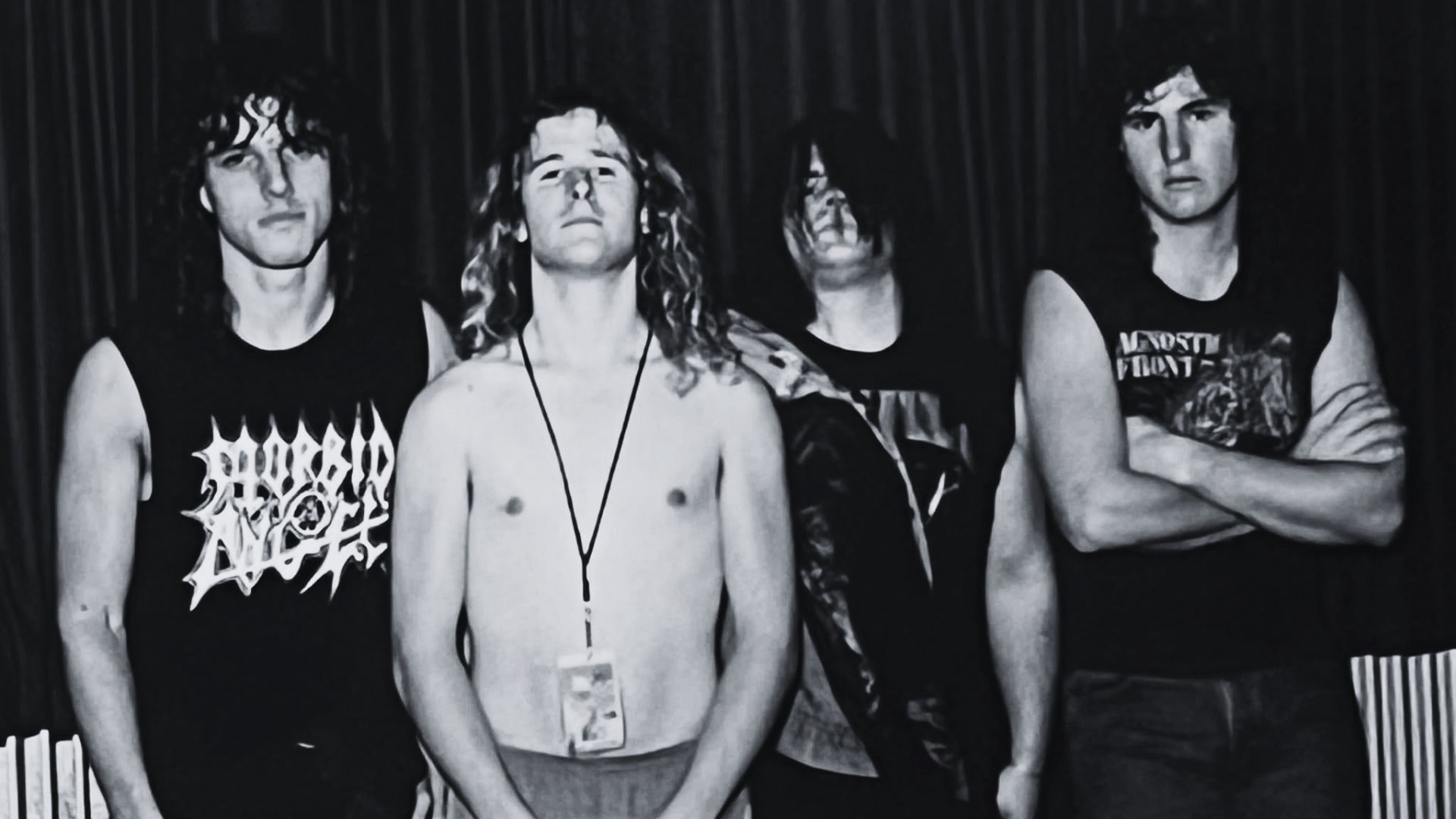
A late-1986 interview in the German fanzine Metal Warriors, issue 3, by Rüdiger Schmitz, shows the Chuck of that moment: "DEATH is the only band for me", he says, and the aim is to keep making the band better and get as big as possible. The album was going to have zombies drinking maggots and guts on the cover, and lyrics that came, in his own words, from gore films and imagination. That was "Scream Bloody Gore", released in 1987, with Chuck handling the guitars, the bass and the vocals and Reifert on drums. A full-length that raw, with that much horror-film energy, is also at the centre of an argument over who made the first death metal album. POSSESSED has its own claim, and I'd rather leave that disagreement standing than pretend it's closed.
I should say plainly that I came to this part of the story late. I wasn't there in 1986, with the Xerox and the tapes. I got to the demos and the zine interviews after "Symbolic", going backwards, and reading them now it's striking how much of the band is already in them: the stubbornness, the impatience with anyone who couldn't keep up, the refusal to bend. In the same Metal Forces interview he said that if a bigger label wanted the band, it would be "exactly as we are or no deal."
### From the Body to the Mind
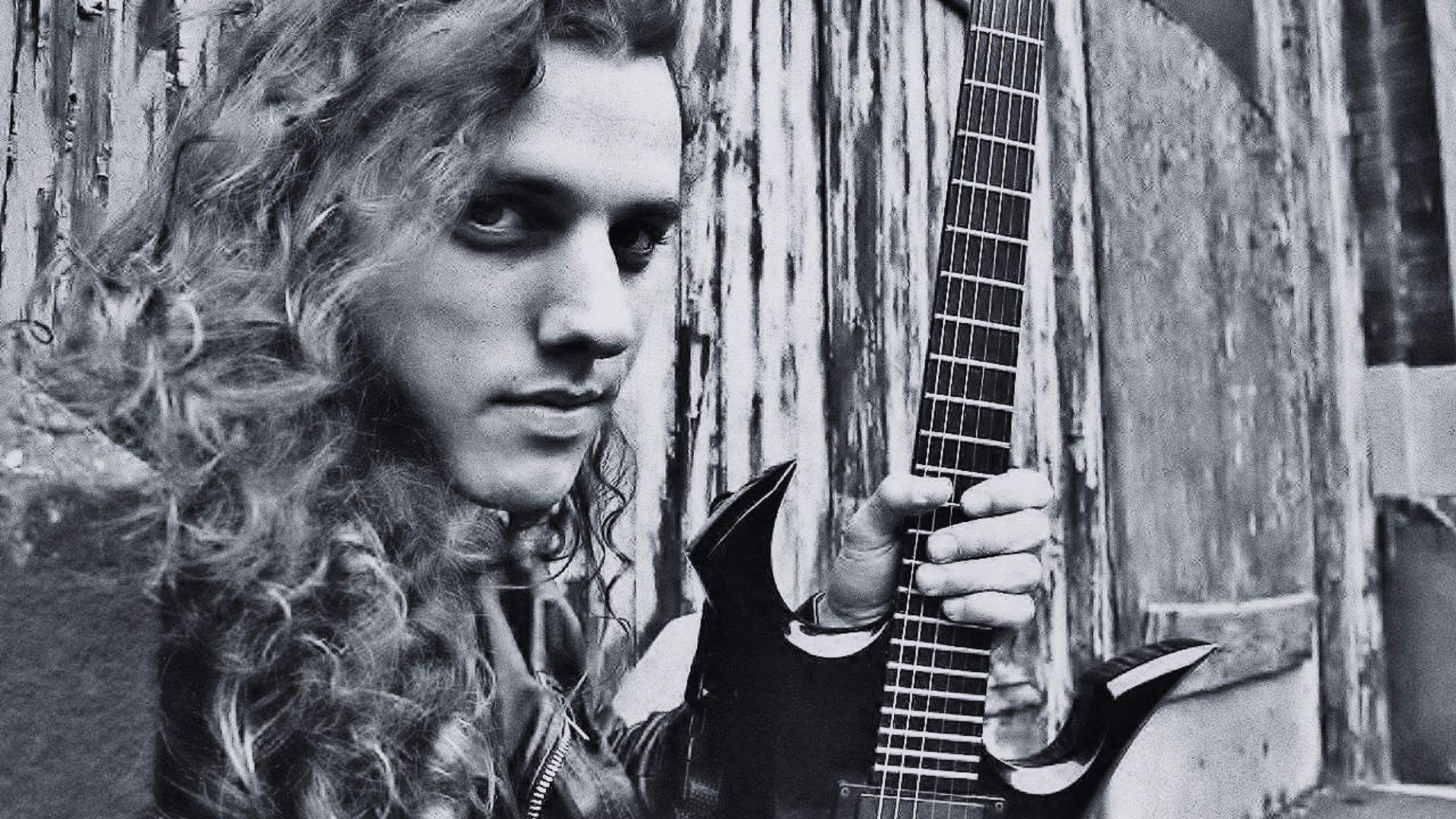
What he said in that interview about the lyrics matters, because it shows where he was about to go. The early satanic themes, he explained, came mostly from Kam Lee. Chuck's own subject was death and real-life gore, taken from horror films. A few years later, with the lyrics for the next records, he'd turn away from that completely.
"Leprosy" in 1988 is where that shift starts to show. The line-up was Chuck, Rick Rozz on guitar and Bill Andrews on drums, with Chuck still playing the bass despite the credit to Terry Butler. The writing is tighter and the songs are easier to remember. The subject matter moves from shock to illness and mortality, and the growl sounds more like someone in pain than someone playing a part.
By "Spiritual Healing", in 1990, the lyrics had moved again, from the body to the mind: psychiatric illness, addiction, religious manipulation. The line-up changed with it. Rick Rozz was out, and James Murphy, formerly of AGENT STEEL and HALLOW'S EVE, came in. Chuck was direct about why. In the February 1990 issue of Metal Forces, in an interview by Borivoj Krgin, he said Rozz was "stopping me from writing the kind of material I wanted to write." He called the new lyrics his best work: "The topics are all based around pure reality." He had no patience left for "stupid Satanic lyrics" in death metal. And he said the record showed death metal could be made "with strong emphasis on musicality and less so on hyper-speed", while admitting he didn't expect to become a pop star because of it.
[video:https://youtu.be/7j8vUbMmOwM?si=nUxz25s8q4lVKIBm]
Sources disagree on what happened on the 1990 European tour that followed. Louder says the other members played the dates without him, and Guitar World says they walked out. Either way, the line-up ended there, and Chuck came out of it with the rights to the name. What he did next is what changes everything.
"Human", in 1991, was recorded at Morrisound in Tampa with Scott Burns producing. Chuck brought in Steve DiGiorgio on bass and two members of the then-young band CYNIC: Paul Masvidal on guitar and Sean Reinert on drums. The band is no longer a band of fast riffs and a growl. It's a band that plays complex, shifting music with a lot of space inside it. Masvidal has said that "Cosmic Sea", the instrumental, wasn't in Chuck's original plan. It was written in the studio because Reinert, who had a week booked for drums, finished in a day or two, which left time to experiment. Chuck, he says, gave the band wide latitude, and the sessions were focused and uplifting. OndaRock, writing about the record, places it as the turning point toward technical death metal, and it's also where the lyrics become more introspective and philosophical.
After that, "Individual Thought Patterns" in 1993 pushed in the same direction, with Gene Hoglan on drums, Steve DiGiorgio on fretless bass and Andy LaRocque as second guitarist. The lyrics lean on Nietzsche and on the mind and emotions, and the music is as dense and angry as anything the band recorded.
### The Name as a Chain
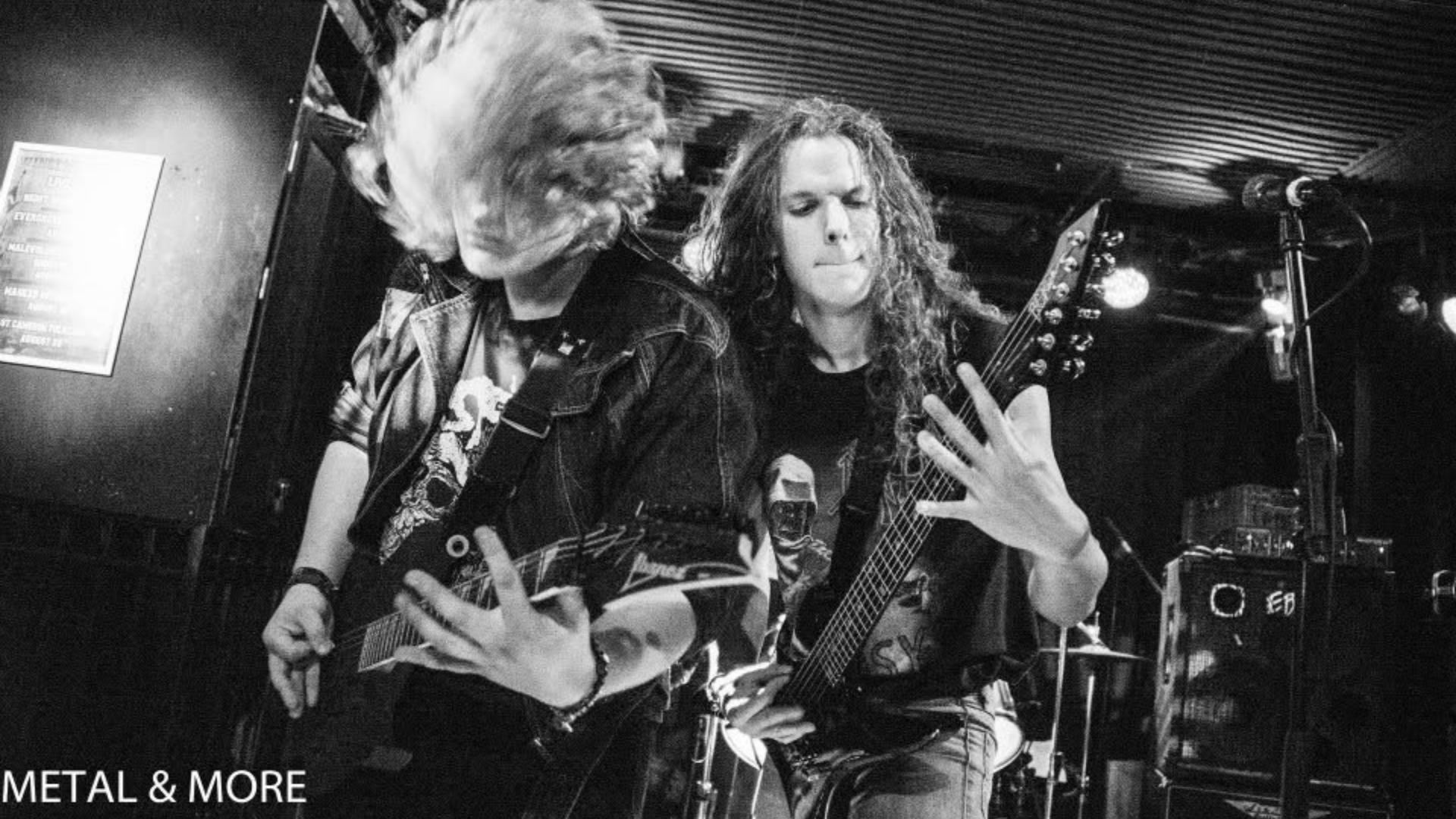
Then came "Symbolic", in 1995. Chuck, Gene Hoglan on drums, Kelly Conlon on bass, Bobby Koelble on guitar. It's the clearest record the band made: well-defined songs, a clean recording, melodies that stick, and solos that are central to the whole thing. The voice moves from the growl to something higher and more strained. It's also the first DEATH record I ever held, so I can't be neutral about it, and I won't pretend to be.
Chuck wasn't neutral about it either. In a spring 1997 interview with Dennis Gulbey for Sentinel Steel, he called "Symbolic" his favourite DEATH album, "hands down", and said it was "the most important record in my life at the time". The melody in his guitar playing, he explained, came from ideas he couldn't sing. The vocal style that suited the early days was hard to change, and so the melodic side of DEATH is what "helped keep our heads above the water".
That same interview is the one where he says he decided to end DEATH. "I felt a little trapped towards the end," he said, and the name had become "the chain and ball". He wanted to start over with a proper singer. The new music was written and demos recorded at home on a 24-track, with only the lead vocals missing, and he planned to call the band CONTROL DENIED.
[video:https://youtu.be/8256VJ4hkJU?si=Zfwjc3JBYK9F0ONq]
Here the story has a gap I can't fill. A year later, in 1998, "The Sound of Perseverance" came out under the DEATH name, with Richard Christy on drums. It's progressive death metal built on interplay between instruments more than on song structure, with a long instrumental, "Voice of the Soul", and a cover of JUDAS PRIEST "Painkiller". Why the plan changed between the spring of 1997 and that release isn't something I found in a first-hand account, and I'd rather say so than guess.
CONTROL DENIED came next, with "The Fragile Art of Existence" in 1999: Chuck on guitar, Tim Aymar, from PSYCHO SCREAM, on vocals, and Steve DiGiorgio on bass. In a December 1999 interview with Boris Kaiser in the German magazine Rock Hard, Chuck described it as an extension of DEATH where the main change was the voice. He said the limits of his own vocal range had pushed DEATH toward melodic guitar work, because he'd been translating vocal-style hooks onto the guitar. He also said he hadn't set out to make a power metal record. OndaRock hears METAL CHURCH and SAVATAGE in the riffs. The title, he said, is about life as a struggle to overcome hardship and pursue your dreams. In a Metal Edge interview in early 2000, he said he had never fully liked DEATH's vocal style and wanted a singer who could really sing.
When I got to this record, after the whole DEATH discography, something finally made sense to me. The melody that had been in the guitar since "Symbolic" had a voice. I loved it then and I love it now.
### What Stayed
In May 1999, Chuck announced he had a brain stem tumour. He went through six weeks of radiation in New York, and in January 2000 a surgery removed nearly half of it. In the Metal Edge interview a month later he called the waiting "a big waiting game", and said the illness had renewed his urge to write. He was already working on a follow-up to "The Fragile Art of Existence", and hoped to tour behind both records. He thanked the fans. In spring 2001 the tumour returned. He died at home on 13 December 2001, aged thirty-four, after complications from pneumonia, with his mother at his side.
He had no health insurance, and the fans filled that gap. A fund raised tens of thousands of dollars, and memorabilia was donated for an auction. Everyone who had ever played in DEATH was at his memorial. His former manager, Eric Greif, said Chuck "always downplayed his part in the extreme metal puzzle."
Jane has talked about her son more than once, and what stays with me is how ordinary it sounds. At home, she says, he was laid-back, polite and kind. The volatile side showed up around the music, the bands, the labels, the tours, because he was a perfectionist: "okay was not good enough, his fans deserved better." He cooked, he made art and sculpture, he collected old instruments, he loved his dogs and his cat. The documentary "Death by Metal", directed by Felipe Belalcazar and approved by the family, set out to show that same person, an ordinary man, devoted to his family, rather than the image some fans had built. Belalcazar told Decibel that he wasn't a DEATH fan when he started, and that the band won him over because the music fit the lyrics.
[video:https://youtu.be/fN3fxTlTaS4?si=Mj0v6n1quj5MI8QP]
Some things are still unresolved. There has been talk for years about a second CONTROL DENIED album, and Greif has said that finishing it after the fact would be "nearly impossible". The music carries on regardless. DEATH TO ALL, the tribute band with Gene Hoglan and Steve DiGiorgio, has kept the songs on stage, and the records are where they've always been.
I still play them, all on CD, and "Symbolic" more than any of them. What Jane says about her son is the thing I'd also want to say: his music "still lives on through the people who are touched by it". I'm one of them.